How to Choose the Best Pipe Fittings for Wholesale Projects
When selecting pipe fittings for wholesale projects, there are several things to think about. First, know the type of pipe you are using. Different pipes need different fittings. For example, copper pipes need copper fittings, while PVC pipes need plastic fittings. Next, look at the sizes of the pipes and fittings. They must match perfectly to work well together. If a fitting is too big or too small, it can cause leaks.
Another important factor is the material of the fittings. Some materials work better in certain situations. For instance, stainless steel is great for high-pressure systems, while plastic might be better for low-pressure water systems. Think about the temperature and pressure the fittings will face. If it’s too hot or too cold, some materials might not hold up.
Also, consider the environment where the fittings will be used. If they are going outside, they need to resist rust and corrosion. For indoor use, this might not be as important. Finally, think about the style of fittings you need. There are many types, like elbows, tees, and couplings. Each has a different purpose. For instance, an elbow fitting helps change the direction of the pipe. A coupling connects two pipes together. Knowing what you need will help you make the right choice.
Common Usage Issues with Pipe Fittings and How to Avoid Them
Many problems can happen when using pipe fittings. One common issue is leaks. Leaks can happen if the fittings are not installed correctly or if they do not match the pipes. To avoid leaks, make sure to tighten the fittings properly. Use tape or sealant if needed to create a better seal. Always check the directions for installation and follow them closely.
Another problem is fittings breaking due to pressure. If the pressure in the pipes is too high, the fittings can crack or burst. To prevent this, it is crucial to choose fittings that are rated for the pressure of your system. Checking the specifications before buying can save you from future headaches.
Sometimes, fittings can get stuck or become hard to remove. This can happen if they are put on too tightly or not maintained. To avoid this, do regular checks on your system. Make sure everything is clean and in good shape. If you notice any rust or damage, replace the fittings right away. Remember that taking care of your fittings can help them last longer and work better.
Choosing the right pipe fittings with care can make a big difference in your projects. By understanding the types and materials, you can avoid common problems like leaks and breakage. Kanaif is here to help you find the best solutions for your needs. With the right information and products, you can ensure a successful project every time!
How to Evaluate the Quality of Pipe Fittings Before Buying
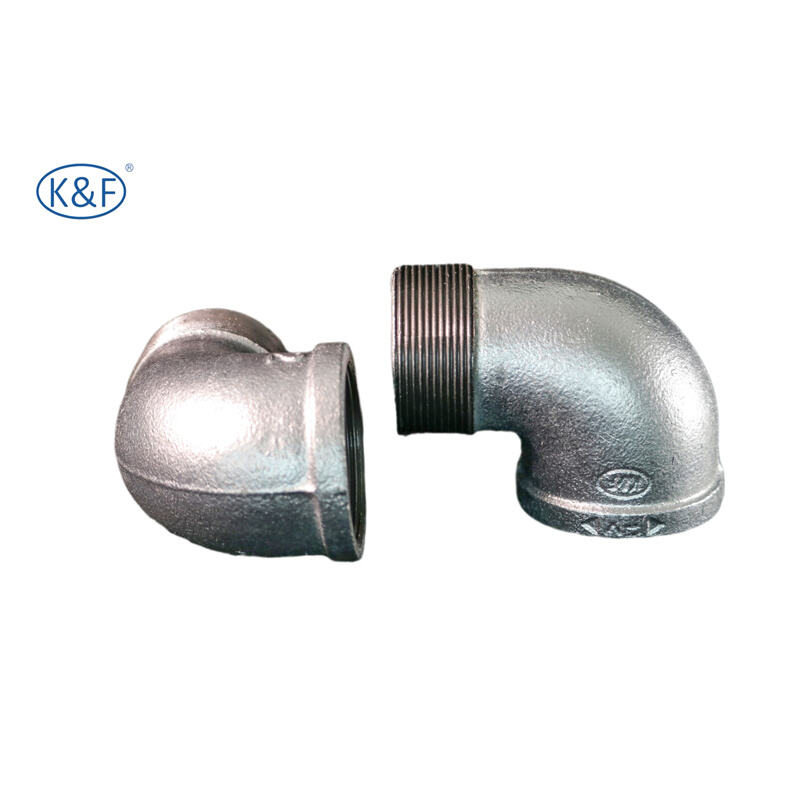
When you need pipe fittings for a project, it’s important to choose ones that are good quality. Quality pipe fittings can help make sure that everything works well and doesn’t break easily. First, look at the materials used to make the fittings. Common materials include plastic, brass, and stainless steel. Each material has its own benefits. For example, stainless steel is very strong and doesn’t rust, while plastic is lightweight and can be easier to handle. At Kanaif, we offer a variety of materials, so you can find what suits your project best. Next, check if the fittings are made by a trusted company. Reputable brands usually have better quality control. You can look for reviews or ask friends about their experiences with certain brands. It’s also smart to see if the fittings have certifications. This means they have been tested and meet certain safety standards. For example, some fittings need to be under pressure without leaking, so look for those that are certified for such use. Another way to evaluate quality is by inspecting the fittings themselves. Look for any cracks, rough edges, or signs of damage. Good fittings should feel sturdy and look smooth. It’s also helpful to see if the fittings come with a warranty. A warranty shows that the company believes in the quality of their products. At Kanaif, we stand behind our fittings and offer great customer support to help you choose the best ones for your needs. By taking these steps to evaluate the quality of pipe fittings, you can ensure that your project will be successful and last a long time.
What Are the Most Common Mistakes When Choosing Pipe Fittings?
Choosing the right pipe fittings can be tricky, and many people make common mistakes that can lead to problems later on. One of the biggest mistakes is not measuring properly. Before buying fittings, it's crucial to measure the pipes accurately. If the fittings are too big or too small, they won't fit correctly, and this can cause leaks. Always use a tape measure and double-check your measurements. Another mistake is not considering the type of project you are working on. Different projects require different types of fittings. For example, if you are using fittings for a water supply system, you need ones that can handle water pressure. Some people also forget to check the compatibility of materials. Not all materials work well together. For instance, using plastic fittings with metal pipes can cause issues. It's important to ensure that the materials you choose are compatible. Additionally, some people rush into buying the cheapest options. While saving money is good, the cheapest fittings may not be the best quality. At Kanaif, we offer a balance of affordability and quality, so you don’t have to sacrifice one for the other. Lastly, many forget to ask for help when needed. If you're unsure, don’t hesitate to talk to a professional or someone with experience. They can offer valuable advice and help you avoid making mistakes. By being aware of these common mistakes, you can choose the right pipe fittings for your project and save yourself time and money in the long run.
How to Select Pipe Fittings That Meet Industry Standards and Regulations
When working on projects Pipe Fitting that involve pipe fittings, it’s essential to select ones that meet industry standards and regulations. These standards are in place to ensure safety and quality. Firstly, find out what standards apply to your specific project. Different industries have different requirements. For example, plumbing and gas fitting have strict regulations to prevent leaks and ensure safety. You can often find this information on government websites or industry associations. At Kanaif, we make it easy for customers to understand these requirements by providing detailed information about our pipe accessories products. Next, look for fittings that have been certified by recognized organizations. Certifications mean that the fittings have been tested and meet specific performance criteria. These can include pressure ratings and material safety. When buying fittings, always check for labels or marks that show they are certified. Another important step is to read the product specifications. This information usually includes details about the material, pressure rating, and intended use. Make sure that the specifications match your project’s needs. Additionally, consider local codes and regulations. Sometimes, local governments have special rules about plumbing and gas fittings. It's important to be aware of these to pipe and pipe fittings avoid any legal issues later on. Finally, if you are still unsure, consult with a professional or an expert in the field. They can provide guidance on what is required for your specific project. At Kanaif, we prioritize compliance with industry standards, ensuring our products are safe and reliable. By following these steps, you can choose pipe fittings that not only meet standards but also help your project succeed.